
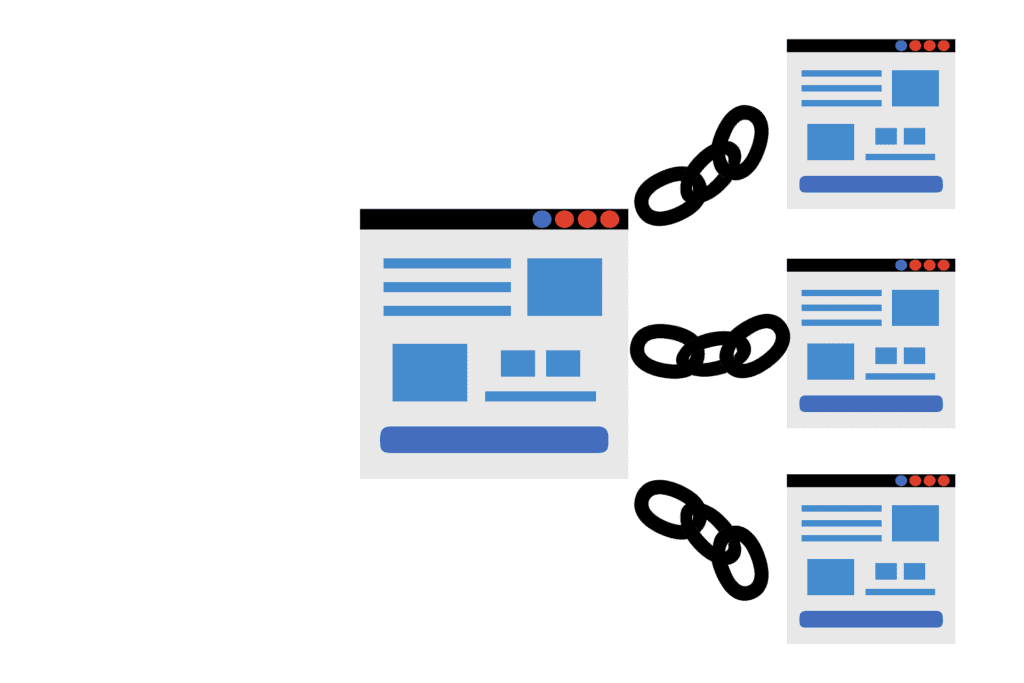
A lot of people pause when it comes time to add an external link. The thought process usually goes something like: I finally got someone to visit my page…do I really want to send them away?
That hesitation is understandable. Traffic matters. Attention matters.
But here’s the thing most people don’t realize right away: using external links properly will make your content more trustworthy, not less. A well-placed link can give readers confidence that what they’re reading is supported by solid facts. It shows that the information didn’t just come from one place or one opinion. And when external links are used correctly, they also support on-page SEO and earn you higher rankings.
Why Should You Link to Outside Sources in Blog Posts?
Linking to reputable websites will actually reinforce your site’s credibility. Google and other search engines expect quality content to reference reliable sources. Your external links help prove your site’s trustworthiness by showing that your content is informed by research, not just opinion.
Readers are also more likely to trust content that shows where its information comes from. Your links prove that your content is informed by research, not just opinion. They also give people the option to examine the sources behind your content.
However, external links should only be used when they make sense. Google’s Search Central guidance consistently emphasizes people-first content. That includes directing readers to helpful, reliable resources when they truly add value.
How External Links Affect SEO
External links won’t suddenly push a page to the top of search results, but they do support good SEO in quieter, more consistent ways.
- They help search engines understand what your content is connected to and why it matters.
- External links show that your content aligns with websites that search engines consider useful and reliable.
- They also give your readers helpful next steps without forcing them to search on their own.
How to Use External Links in Your Blog Posts
Choosing the Right Sources
Not every website deserves a link. Strong external sources come from sites that are relevant, established, and accurate. Think industry publications, government websites, educational institutions, or nonprofit organizations that are known for their expertise.
When choosing links, always make usefulness your top priority. Does the link clarify a point? Does it back up a claim? Does it offer deeper context for someone who wants it? If the answer is yes, it’s doing its job. If a link doesn’t help the reader understand something better, it probably doesn’t need to be there.
Considering the Right Placement
Where the link appears on the page also matters. Your links need to support your content, not interrupt it. Dropping a link right after the information it supports feels natural. Hiding it at the end of a paragraph usually doesn’t. And anchor text should be clear enough that readers know what they’re getting before they click.
The number of external links per page matters, too. One or two strong external links are often more effective than several weaker ones scattered throughout the page.
Avoiding Common Mistakes
Linking to sources that don’t clearly support the topic is a big mistake. They could be directing your readers to a reputable site, but if the information isn’t relevant to your topic, those links are not going to support your authority.
Similarly, using vague anchor text like “click here” won’t help readers or search engines understand why a link matters. Make sure your anchor text describes the information found in the external link.
Outdated links can quickly weaken your site’s credibility, so once a post is published, those external links need to be maintained—broken links are never good for SEO.
Overlinking can also be a problem, especially in shorter posts. Not only will too many links make your content look crowded and distract your readers, it will also dilute your authority on a topic.
SEO Experts at New Wine Digital to Write Your Blog
When used intentionally, external links can strengthen blog content by improving credibility, supporting SEO, and creating a better experience for your readers. But knowing how to use external links correctly is only one small part of building a content marketing strategy that actually works.
Producing consistent, well-written, useful content will make a huge difference over time. If you want help creating SEO-focused blog content that sounds natural and connects with real people, contact us to schedule a consultation.
Image by Parveender Lamba from Pixabay used with permission under the Creative Commons license for commercial use 02/19/2026